Ride

‘the centrepiece… it made sense of the whole’

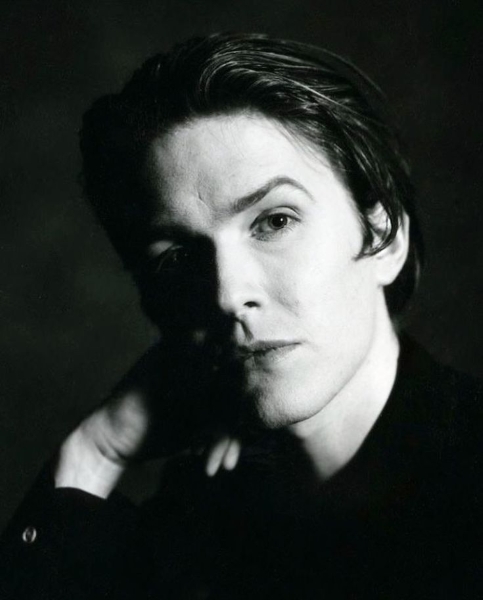
In the months that followed the autumn 1987 release of David Sylvian’s Secrets of the Beehive, listeners came to recognise its restraint and sensitivity as marks of a very special album. The nine tracks from ‘September’ to ‘Waterfront’ took only around 35 minutes to experience. There was not a spare musical gesture throughout the running order, all that was present was what was necessary to give expression to the compositions that had come so naturally and unexpectedly to the songwriter as his Gone to Earth press tour had come to an end.

I think the first time I discovered that the album may not be exactly what Sylvian had envisaged was a 1988 interview with guitarist David Torn in which he discussed his involvement with Secrets... ‘He was that man that rang me,’ said Torn of first contacts, expanding on the recording at Miraval Studios in the South of France: ‘I really was left this wild card position where he didn’t know what he wanted me to do before I started reacting to the tracks. So we did a solo on ‘The Boy with the Gun’ and I played my koto guitar on ‘Maria’.

Continue reading “Ride”

If I Leave No Trace – Empty Handed

‘visceral and compelling’

Early on the Twinkle³ album featuring David Sylvian and Kazuko Hohki, Upon This Fleeting Dream, a torrent of fizzing electronic sound tears from one speaker to another, followed by what seems to be the crackle of a spark leaping between contacts. Synthetic beeps and the fragments of a beat escape from a swirling mix. Soaking in the sounds that accompany Sylvian and Hohki’s readings of ancient Japanese poetry, it’s evident there is something distinctive happening in how synthesisers are deployed.

Continue reading “If I Leave No Trace – Empty Handed”

Emily Dickinson

‘very intimate and revealing’

‘If we’re interested in improvisation, then that suggests that we’re not quite sure what music is. We’ve got some idea but we’d like to find out. So every time we play, “what music is” is open to a certain freedom of discovery, open to question. The possibility of being surprised by oneself or by the situation – that is what we hope for.’ These are the thoughts of Evan Parker, eminent free improvising saxophone player since the 1960s, decades during which he practically reinvented the playing technique of his instrument and in so doing created a new language of sound.

Continue reading “Emily Dickinson”