Ride

‘the centrepiece… it made sense of the whole’
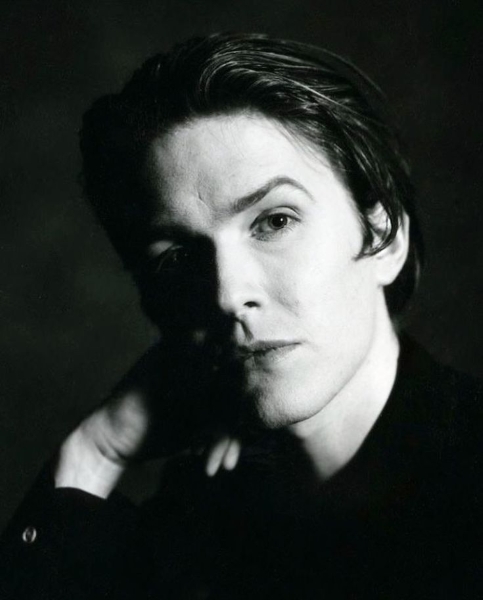
In the months that followed the autumn 1987 release of David Sylvian’s Secrets of the Beehive, listeners came to recognise its restraint and sensitivity as marks of a very special album. The nine tracks from ‘September’ to ‘Waterfront’ took only around 35 minutes to experience. There was not a spare musical gesture throughout the running order, all that was present was what was necessary to give expression to the compositions that had come so naturally and unexpectedly to the songwriter as his Gone to Earth press tour had come to an end.

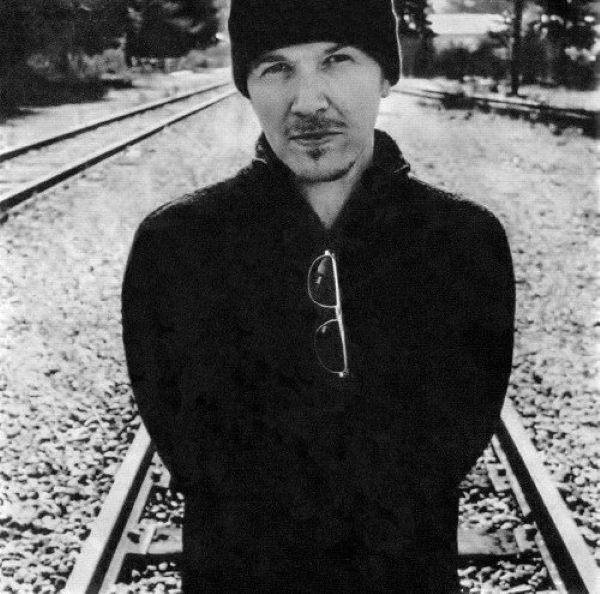
I think the first time I discovered that the album may not be exactly what Sylvian had envisaged was a 1988 interview with guitarist David Torn in which he discussed his involvement with Secrets... ‘He was that man that rang me,’ said Torn of first contacts, expanding on the recording at Miraval Studios in the South of France: ‘I really was left this wild card position where he didn’t know what he wanted me to do before I started reacting to the tracks. So we did a solo on ‘The Boy with the Gun’ and I played my koto guitar on ‘Maria’.

Continue reading “Ride”

Dobro #1 – Aparna and Nimisha (Dobro #5) – Albuquerque (Dobro #6)

‘hidden connections’

In the Spring 2002 edition of BOMB magazine, Marc Ribot conducts an interview with Bill Frisell. It’s a fascinating exchange as the two musicians – the principal guest guitarists on David Sylvian’s Dead Bees on a Cake – share perspectives on their music making, drawing both parallels and distinctions.

Continue reading “Dobro #1 – Aparna and Nimisha (Dobro #5) – Albuquerque (Dobro #6)”

Bamboo Houses

‘excited by sound’

In 1984, the Penguin Cafe Orchestra released their album Broadcasting from Home on the Editions EG label. A familiar name listed in the accompanying sleeve-notes was that of Ryuichi Sakamoto, with a co-composition credit for the track ‘Heartwind’. The PCO’s leader, Simon Jeffes, had already enjoyed a long association with Japan by this time, his first visit having been in 1972. ‘It’s as if I discovered myself there and became more confident, musically and personally,’ he said. ‘That trip to Japan was a very formative experience which I expressed in writing. That’s how the Penguin Cafe was conceived. Really it’s a state of mind, but I started writing about this place where you would feel at home and just be yourself. You could meet other people and some kind of home music would be played by an orchestra or a band. The Penguin Cafe Orchestra is now playing that music.’

Continue reading “Bamboo Houses”

The Scent of Magnolia

‘unorthodox with a lot of movement’

When David Sylvian’s career-to-date retrospective album Everything and Nothing appeared in 2000, it turned out to be a compilation with a difference. Among the familiar songs from twenty years of his musical history were some never-before-heard tracks spanning the entire period. The artist was clear, however, that these were not inferior and therefore discarded out-takes.

Continue reading “The Scent of Magnolia”

Come Morning

A glimpse of the path ahead

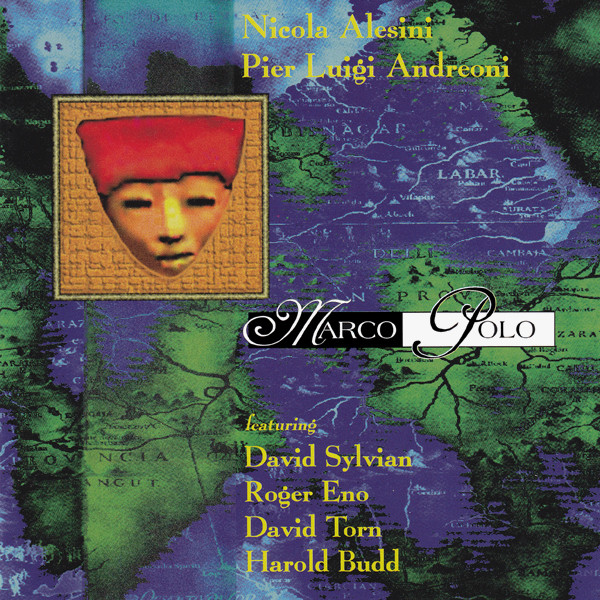
Collaborations outside the context of a David Sylvian project have been a regular occurrence over the years and have produced some beautiful pieces. Working under conditions established by other artists has at times brought out unknown or less developed aspects of Sylvian’s craft, and some of these recordings have given indications of an emerging artistic direction in both music and lyrics – a glimpse of the path ahead.

Continue reading “Come Morning”