Nostalgia

painting an audio picture

When the sessions for Brilliant Trees reconvened in London, following the initial gathering at Hansa Tonstudio in Berlin, the location was JAM studios situated in Tollington Park, North London. Joining co-producer Steve Nye for this stint was engineer Peter Williams. ‘JAM was owned by two brothers, the Nordmarks, Swedes, and their sister Lena ran the whole place. It was the old Decca 4 studio and became JAM. We used that a lot because it was a reasonable price, the quality of the equipment was good, and so we did a number of things there,’ Peter told me. ‘JAM, from memory, was a Harrison desk, Studer 24 track and Studer ½” 30 inch per second mastering, and a pair of big Urei speakers, 513s or whatever they are called, a bunch of amps etc.’

A familiar and reliable set up was no doubt welcome to David Sylvian and co-producer Steve Nye, who had battled technical issues in Hansa’s basement, hindering the album’s progress despite the fact that creative spirits had run high. Sylvian: ‘I wasn’t in the best studio in the building, it was like falling to pieces actually. For the first week we couldn’t record anything, you know, it was just trying to get the machine into record…I didn’t get as much done as I wanted by the end of that period of time, and then I decided I’m definitely not going to carry on recording there, you know, it was becoming so slow. I went back to London, wrote some more material, and went back into the studio there.’

Continue reading “Nostalgia”

Weathered Wall

‘native to no one involved’

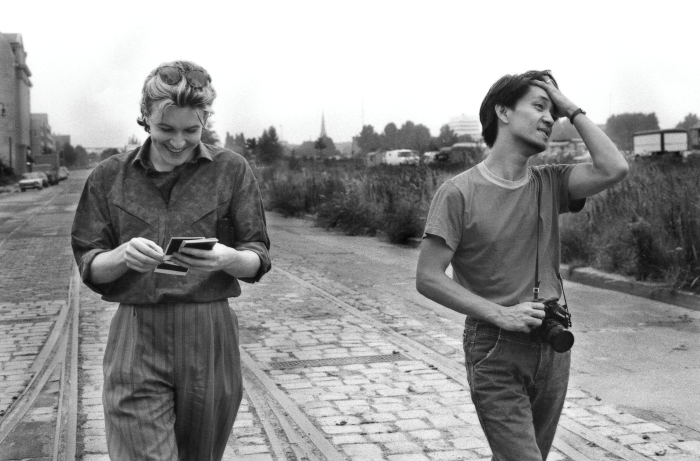
‘When I recorded Brilliant Trees, I started the album in Berlin, out of necessity, out of a low budget and it being the cheapest studio I could find, but I found that going to a strange place, meeting in a strange place — all these musicians for the first time, some of them I’d never even spoken to prior to meeting them — created a sense of adventure about the whole project,’ recalled David Sylvian. ‘I didn’t just feel it, I noticed it in the other musicians, and that they would give more of themselves in that environment rather than in their natural environment, their home town or whatever.’ (1991)

Continue reading “Weathered Wall”

Showing the Wound (A Will to Health) – Steel Cathedrals

‘the first step in a new approach’

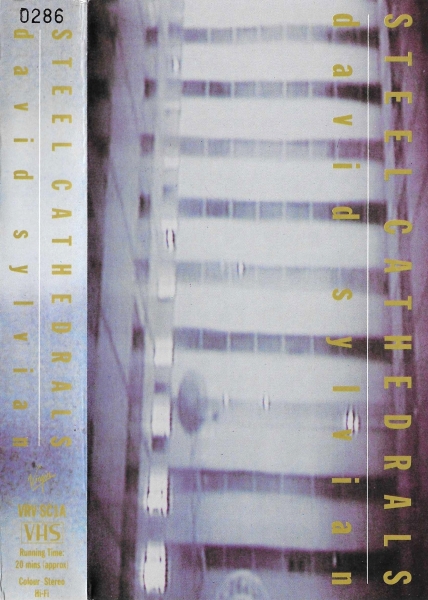
‘This short film was shot in two days of November 1984 in and around the outskirts of Tokyo, Japan. A large part of the music was completed during that same month and recorded over a period of three days. I later updated the material in London, in an attempt to elaborate on the theme started earlier in Japan, and to further improve the quality of the soundtrack.’
David Sylvian, August 1985

Continue reading “Showing the Wound (A Will to Health) – Steel Cathedrals”

Life Without Buildings

‘an exciting shift’

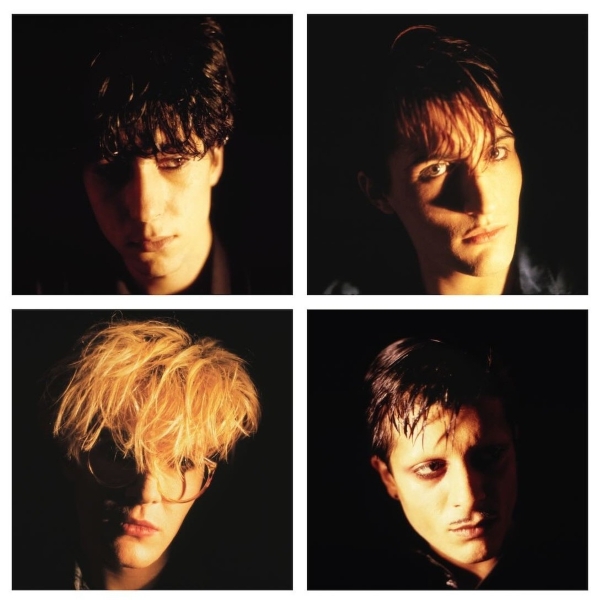
‘One of the main influences for me is travelling. I really enjoy travelling and it stimulates the imagination,’ shared Mick Karn in a 1996 interview with Anil Prasad for his Innerviews website. ‘I think a lot of the way I write is actually to think of a place and to imagine that place, what pictures come up. It’s an old trick that we used to use a lot in Japan actually, where we would just give each other a name of a country and we would all go away and think about this country and then get together and try and write a piece.’

Continue reading “Life Without Buildings”

Awakening (Songs from the Tree Tops)

‘words with your inner self’

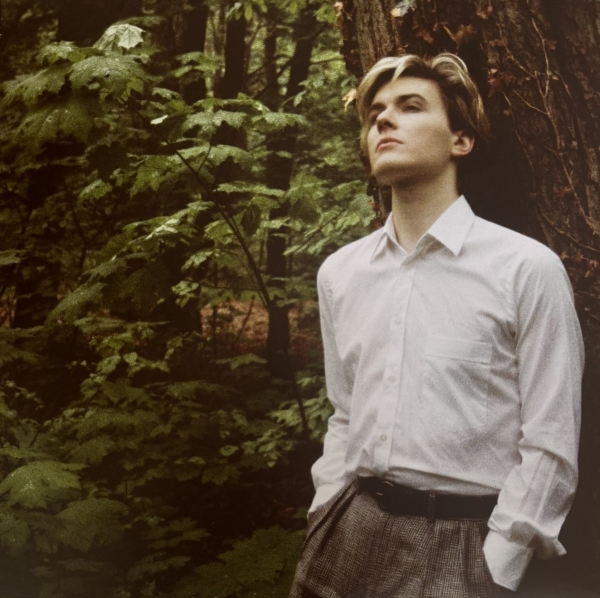
Asked about the origins of his interest in shamanism in a 1986 interview, David Sylvian responded, ‘I’m not sure, I can’t really remember. I was reading a great deal on different cults and spiritual groups and so on, and the word shaman kept cropping up. And I bought one book – The Shaman Magician or something like that – and that really introduced me to that idea.’

Continue reading “Awakening (Songs from the Tree Tops)”