The Last Days of December

‘no you to be found’
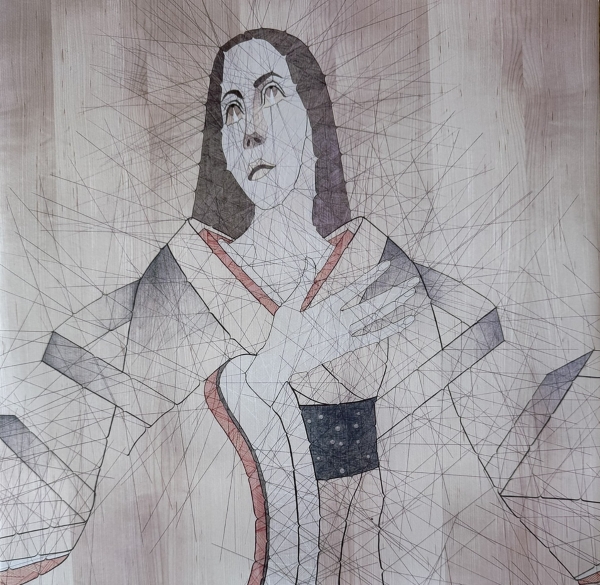
The initial session that David Sylvian and Dai Fujikura held with musicians from the International Contemporary Ensemble (ICE) in New York yielded material for their first-released collaboration, ‘Five Lines’, together with string parts that were intended for incorporation into Manafon but were ultimately omitted from that album’s mixes. By the time of the second session with ICE, there was an agreed vision for a project based around re-imaginings of the Manafon material, a number of the tracks with the benefit of Fujikura’s string arrangements (read more here).

Continue reading “The Last Days of December”

Blackcrow Hits Shoe Shine City

‘this dark emotional experience personified’

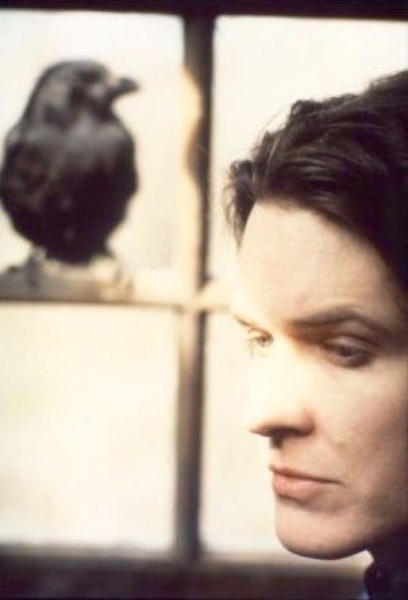
As the sun set on an artistically fruitful 1980s and a new decade dawned, collaborative projects would be the primary outlet for David Sylvian. ‘For the past almost three or four years, I’ve being going through quite a powerful emotional change in my life and it took me a long time to come to terms with what was happening. So I thought, rather than just slogging away without getting to grips with it, I should perhaps collaborate and allow myself to work more on the spur of the moment,’ he explained in 1991, as the eagerly awaited reunion project of the former members of Japan – Rain Tree Crow – was first shared with an intrigued audience.

Continue reading “Blackcrow Hits Shoe Shine City”

Five Lines

‘from totally opposite parts of the musical globe’

Dai Fujikura had an early and unusual fascination with David Sylvian’s work. ‘I grew up listening to his music – which is a bit strange, as I was born in 1977. The first album I listened to was Secrets of the Beehive. At that time I was 13 years old or so, and I hadn’t listened to pop music – well, maybe I’d heard it on TV, but I’d never purchased it nor was I interested in any music other than classical. Being a classical musician was my life from the age of five! Practicing every day, doing homework, going to “juku”, which was a sort of “extra school” that lots of kids in my generation attended. So, I had no time to waste, and no time to search in other genres of music.

Continue reading “Five Lines”